
Sarah M.
Exterior Painting
ColorCraft transformed the exterior of our home! The crew was professional, on time, and left everything spotless. Our curb appeal has never looked better!
Carmel, IN
PREMIUM HOUSE PAINTING SERVICES
Interior and exterior house painting that boosts curb appeal,
protects your investment, and makes every room feel brand new.

CLIENT REVIEWS
We’re proud to deliver beautiful, long-lasting results and
a seamless painting experience from start to finish.
Exterior Painting
ColorCraft transformed the exterior of our home! The crew was professional, on time, and left everything spotless. Our curb appeal has never looked better!

Interior Painting
From the color consultation to the final coat, the process was smooth and stress-free. The team was clean, respectful, and the finish is absolutely flawless.

Whole House Painting
We painted our entire home and couldn’t be happier with the results. The team’s attention to detail and communication were top-notch. Highly recommend!
SERVICES, PLANNED AROUND YOUR HOME
Start with the surface that is asking for attention. Then shape the scope around how the space is used, what needs protection, and the finish you want to see every day.
01 / INTERIOR
Bring walls, ceilings, trim, doors, and connected spaces into one clear plan. The goal is a room that works with your light, furnishings, and everyday routine.

02 / EXTERIOR
Plan siding, trim, doors, and accents as one exterior composition, with surface condition and exposure considered from the start.
Explore exterior scope03 / COLOR DIRECTION
Compare the mood, contrast, and relationships between colors before narrowing down the exact shades for your project.
Try the color-direction studioINTERACTIVE COLOR DIRECTION
Use these directions to talk about what you want the room or exterior to feel like. They are conversation starters—not a substitute for viewing paint samples in your own light.

SELECTED DIRECTION
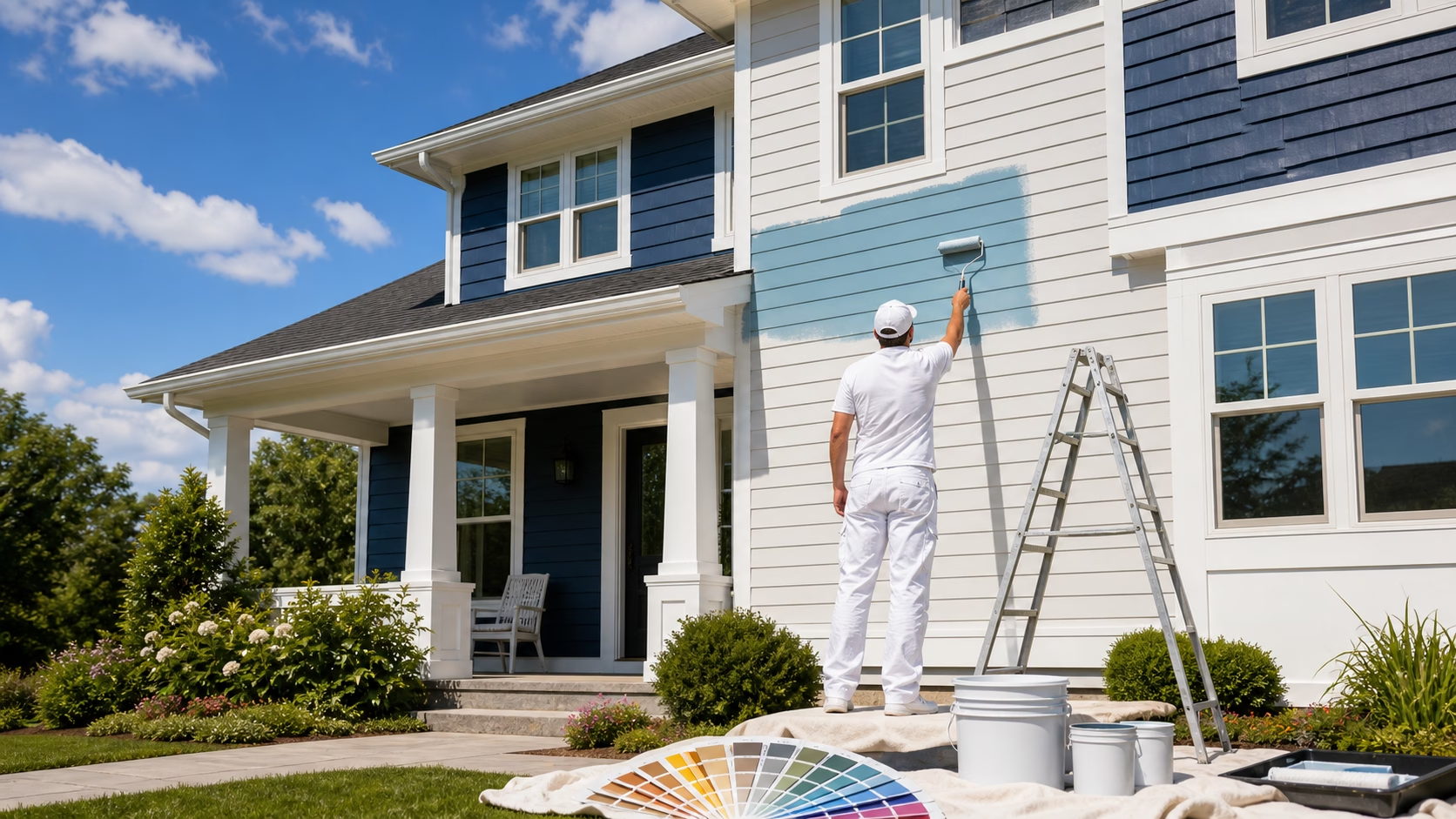
Light surfaces and a clear blue accent create an open, crisp direction with enough contrast to keep architectural details visible.
A CLEARER PAINTING PROCESS
A useful process makes the decisions visible: what is being painted, what preparation the surfaces need, how the home will be protected, and how the final walkthrough will work.
Identify the rooms or exterior surfaces, the condition they are in, and the change you want to feel.
Clarify surfaces, repairs to discuss, access, protection, finish choices, and the order of work.
Keep the work sequence, home protection, and communication aligned with the agreed project plan.
Walk the completed scope together, review details, and capture any questions before the project closes.
FIND YOUR PROJECT FIT
You do not need to repaint everything to create a meaningful change. Start with the surfaces that affect how the home looks, feels, or functions most.
A good fit whenWalls feel scuffed, dark, dated, or disconnected from the way the room is furnished now.
Discuss in the planWalls, ceilings, trim, doors, sheen, transitions, and the order rooms should be completed.
Watch forFurniture access, occupied rooms, daylight shifts, and adjoining colors that will remain.
A good fit whenThe facade looks faded, the contrast feels dated, or specific surfaces need closer evaluation.
Discuss in the planSiding, trim, doors, accents, surface condition, access, exposure, and the overall color relationship.
Watch forLandscape access, weather-sensitive scheduling, fixed materials, and colors on neighboring surfaces.
A good fit whenSeveral spaces need attention and you want them to relate without making every room identical.
Discuss in the planPriorities, shared trim colors, room transitions, accent moments, and whether work should be phased.
Watch forDecision fatigue, too many competing shades, room access, and the sequence that disrupts daily life least.
PREPARE FOR A SMOOTHER PROJECT
Good preparation is partly about the surfaces and partly about the people living around the work. These conversations help the project fit the home.
Identify delicate items, furniture, pets, room access, and any areas that need special attention before work begins.
Know which spaces are active, what needs to remain usable, and where questions or updates should be shared.
Review the painted surfaces in context, ask care questions, and make sure the project plan has been addressed.
QUESTIONS BEFORE YOU COMMIT
Every home and surface is different. These answers help you prepare for a useful project conversation without assuming details that need an in-person look.
Ready to plan the conversation?No. It is useful to know the feeling you want and which existing finishes need to stay. Exact color and sheen decisions can be organized once the project scope is clearer.
Start by flagging fragile, valuable, or personally important items. Furniture movement and protection responsibilities should be confirmed in the project plan so everyone knows what to prepare.
Phasing can be worth discussing when several rooms or exterior areas are involved. Prioritize the spaces with the greatest visual or practical impact, then coordinate colors and transitions across phases.
The conversation should cover the visible condition of each surface, cleaning, loose or failing material, gaps, minor repairs, protection, and any issue that may need a different specialist.
Look at sightlines and shared trim first. If the current color continues into connected spaces, a broader plan may create a more intentional result—even if the actual work happens in stages.
Note surface wear, sun and moisture exposure, fixed materials such as roofing or masonry, landscape access, and the architectural details you want to emphasize or quiet down.
YOUR HOME, WITH A CLEARER PLAN
Bring the rooms, surfaces, and ideas you are considering. The next step is simply defining what the project needs.
Start the conversation Not sure where to begin? Revisit the project guide.